Are Mechanically Polished Concrete Floors Worth It?
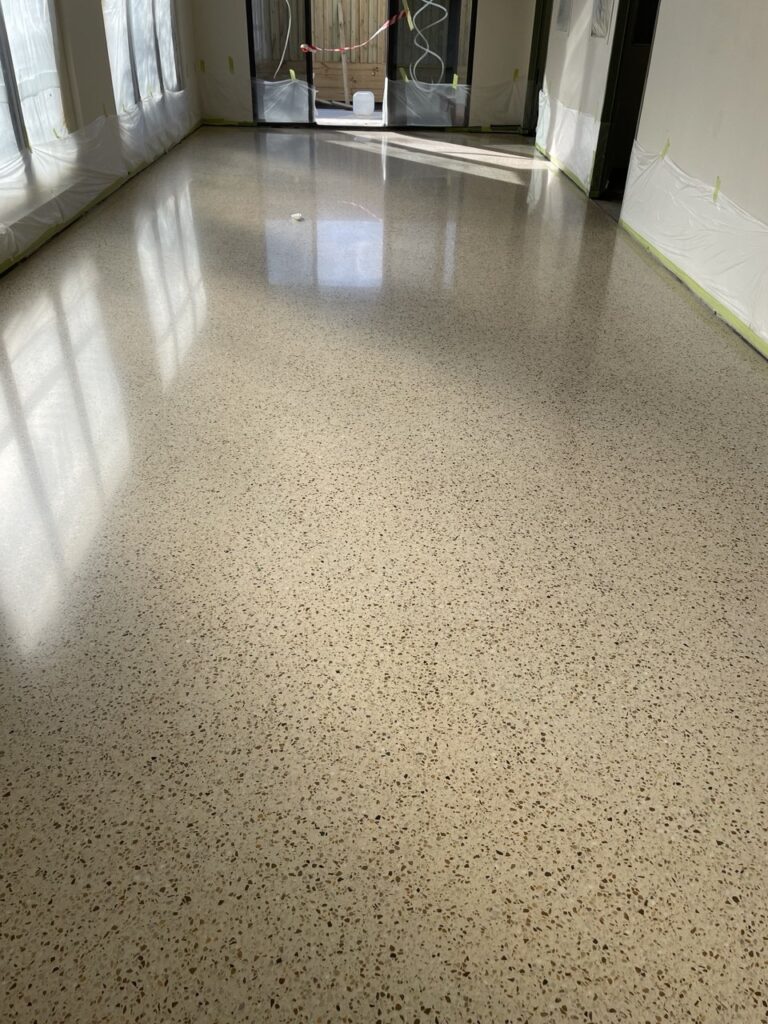
A concrete slab can be one of the most hard-wearing surfaces in a home or business, but only if it is finished for the way the space will actually be used. Mechanically polished concrete floors take an existing slab and refine it into a durable, low-maintenance surface with real depth, rather than covering it with a coating that may eventually wear through.
For Melbourne homeowners, builders and commercial property managers, the appeal is straightforward: a clean contemporary finish that handles foot traffic, vehicle traffic, spills and daily cleaning without demanding constant attention. The result can be understated and natural or highly refined, but the quality of the finished floor always comes back to preparation, the condition of the slab and a system suited to the site.
What mechanically polished concrete floors actually are
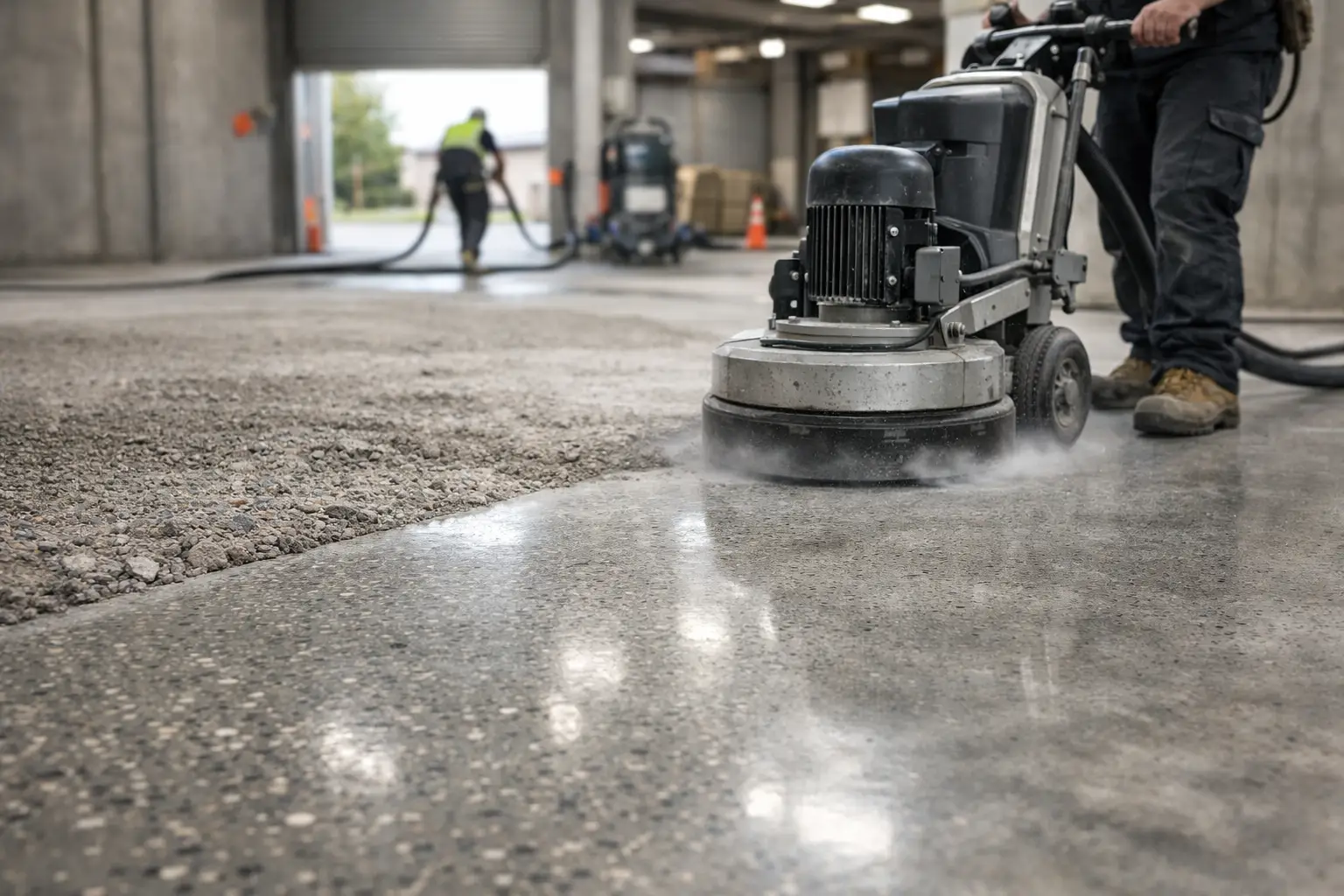
Mechanical polishing is a multi-stage process that uses diamond tooling to progressively grind, hone and polish the concrete surface. It is not simply a clear sealer applied over a slab. The concrete itself is worked until it reaches the required level of aggregate exposure, clarity and sheen.
Depending on the design brief and the slab, the process may reveal little more than the natural concrete surface, known as a cream finish, or expose fine sand and stone within the mix. A deeper grind creates a more obvious aggregate look. There is no universally better option. A busy warehouse, retail space, garage and open-plan living area can each call for a different level of exposure and gloss.
A densifier is commonly applied during the process to harden and strengthen the concrete surface. The floor is then polished through finer diamond stages, creating a finish that is easier to clean and more resistant to abrasion than unprotected concrete. Because the sheen is built into the surface rather than supplied by a thick topical layer, it has a different look and long-term performance profile to a grind-and-seal system.
Why polished concrete performs so well
The main strength of a mechanically polished floor is that it turns a structural material into the finished surface. There is less reliance on a film sitting on top of the concrete, which can be useful in areas exposed to regular traffic, tyre marks, moisture and cleaning.
In residential settings, polished concrete works particularly well in living areas, garages and spaces that flow from inside to out. It suits owners who want a floor that looks considered without becoming another high-maintenance item on the renovation list. Regular sweeping and mopping with a suitable neutral cleaner are generally enough to keep it looking sharp.
For commercial spaces, the practical benefit is often greater than the visual benefit. Hospitality venues, showrooms, workshops, offices and high-traffic common areas need a surface that can take daily use while still presenting professionally. A correctly polished floor can reduce dusting from the slab, simplify cleaning routines and keep its appearance for years with the right maintenance plan.
There is also a design advantage. Polished concrete reflects light more effectively than a raw slab, particularly at medium and high sheen levels. In large spaces, that can make the area feel brighter and more open without relying on an overly glossy finish.
The finish starts with the slab
No surprises. No shortcuts. Existing concrete has its own history, and that history matters. Variations in aggregate, previous repairs, old coatings, moisture exposure, cracking and slab flatness can all influence what is achievable.
A new slab provides more control, although it still needs the right mix design, placement and curing from the start. An existing slab can create a distinctive result, but it may include patching, colour variation or marks left by previous use. These features are not always defects. In many projects, they become part of the floor’s character. The key is agreeing on the expected appearance before work begins.
Cracks also need an honest assessment. They can be repaired and filled, but repairs will usually remain visible to some degree. Polished concrete is not a system that disguises every imperfection. It celebrates the material, which is why site assessment is essential before selecting aggregate exposure, colour treatment or sheen level.
Aggregate exposure and gloss are separate choices
People often assume a high-gloss floor must have heavily exposed stone, or that a subtle concrete finish has to be matte. In reality, aggregate exposure and sheen are separate decisions.
A light grind with a satin finish can look soft and architectural. A full aggregate exposure with a higher polish can create a more decorative, terrazzo-like result. For a garage or working commercial environment, a lower sheen may be more practical because it is less likely to highlight dust, scuffs and surface marks between cleans.
The right finish depends on lighting, expected traffic, the age of the slab and how the space is used. A site inspection should address these practical details, not just show a colour chart and promise a generic result.
Where mechanical polishing is the right choice
Mechanically polished concrete is best suited to internal concrete slabs where long-term durability and a refined appearance are both priorities. It is a strong option for open-plan homes, apartment common areas, garages, retail spaces, offices, hospitality venues and commercial facilities with steady foot traffic.
It can also be appropriate in covered areas where the slab is protected from constant weather exposure. However, outdoor applications require a different conversation. Rain, UV, surface drainage and slip resistance all change the specification. Outdoor concrete sealing is often a more suitable system for driveways, patios and pathways, especially where practical protection matters more than a polished indoor appearance.
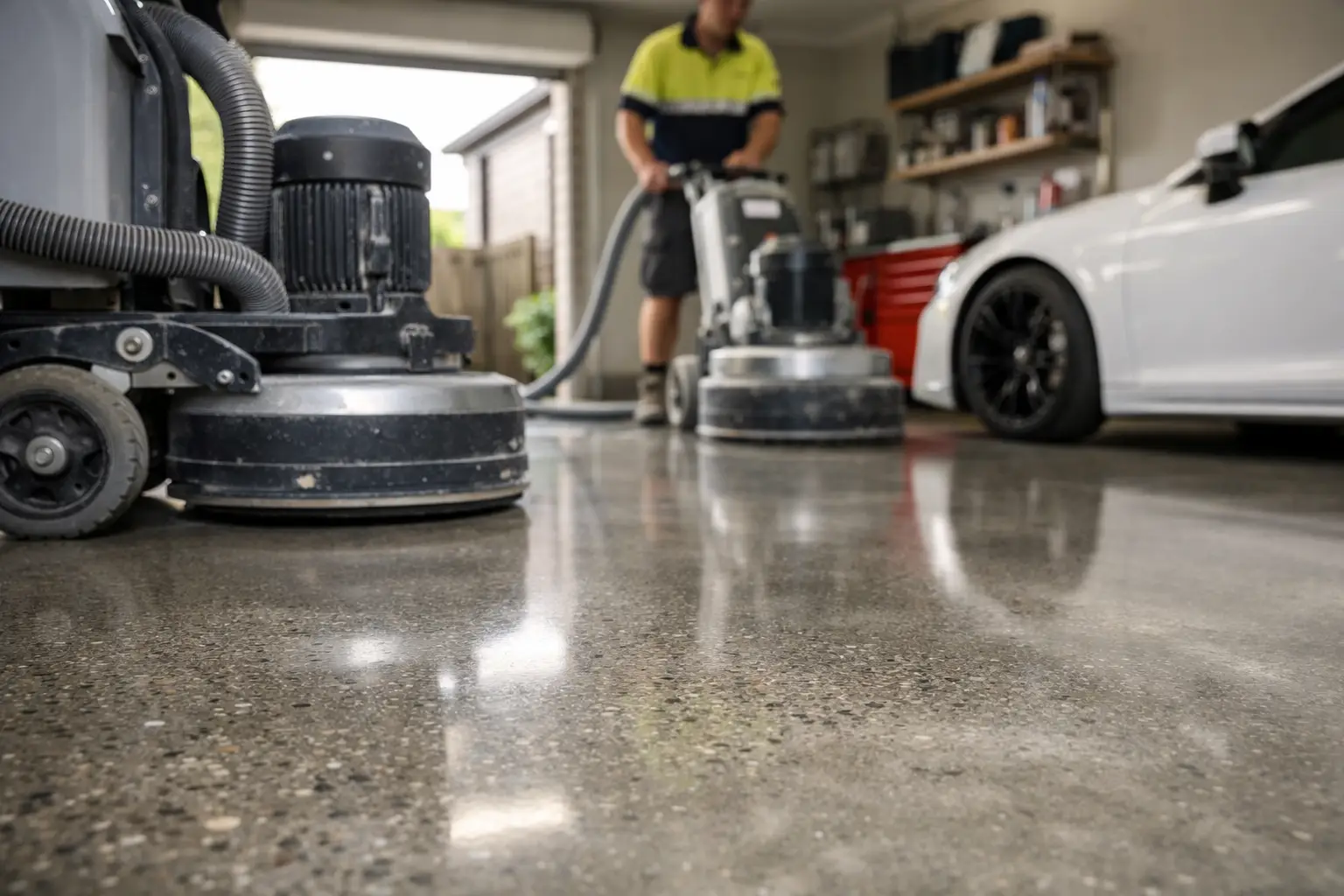
For garages, the decision usually comes down to the condition of the slab and the desired look. A mechanically polished surface offers excellent resistance to normal wear and is easy to sweep clean. Where a specific colour, decorative flake finish or stronger chemical barrier is required, another surface system may better suit the brief. The right answer is based on use, not fashion.
What to plan before the work begins
Polishing is a precise process, but it cannot ignore the rest of the project. Trades, joinery, wall finishes and access all need to be coordinated so the completed floor is protected from unnecessary damage.
Before work is scheduled, confirm whether the slab has existing coatings, adhesives, levelling compounds or contaminants that need removal. Identify any areas requiring crack repair. Check access for machinery and dust-control equipment, particularly in occupied homes or active commercial premises. If the floor is part of a renovation, polishing is usually scheduled after major wet trades and before final fit-off, with protection put in place immediately afterwards.
Colour expectations also deserve a clear discussion. Concrete is a natural construction material, not a factory-made tile. Even with colour hardeners or dyes, variations can occur across the slab. That variation is often what gives polished concrete its appeal, but it should never be a surprise at handover.
Moisture and surface preparation cannot be skipped
Concrete moisture is a major consideration wherever coatings, adhesives or repairs are involved. Surface contamination from oil, old treatments or building residues can affect how a repair takes, how a densifier performs and how consistent the finish appears.
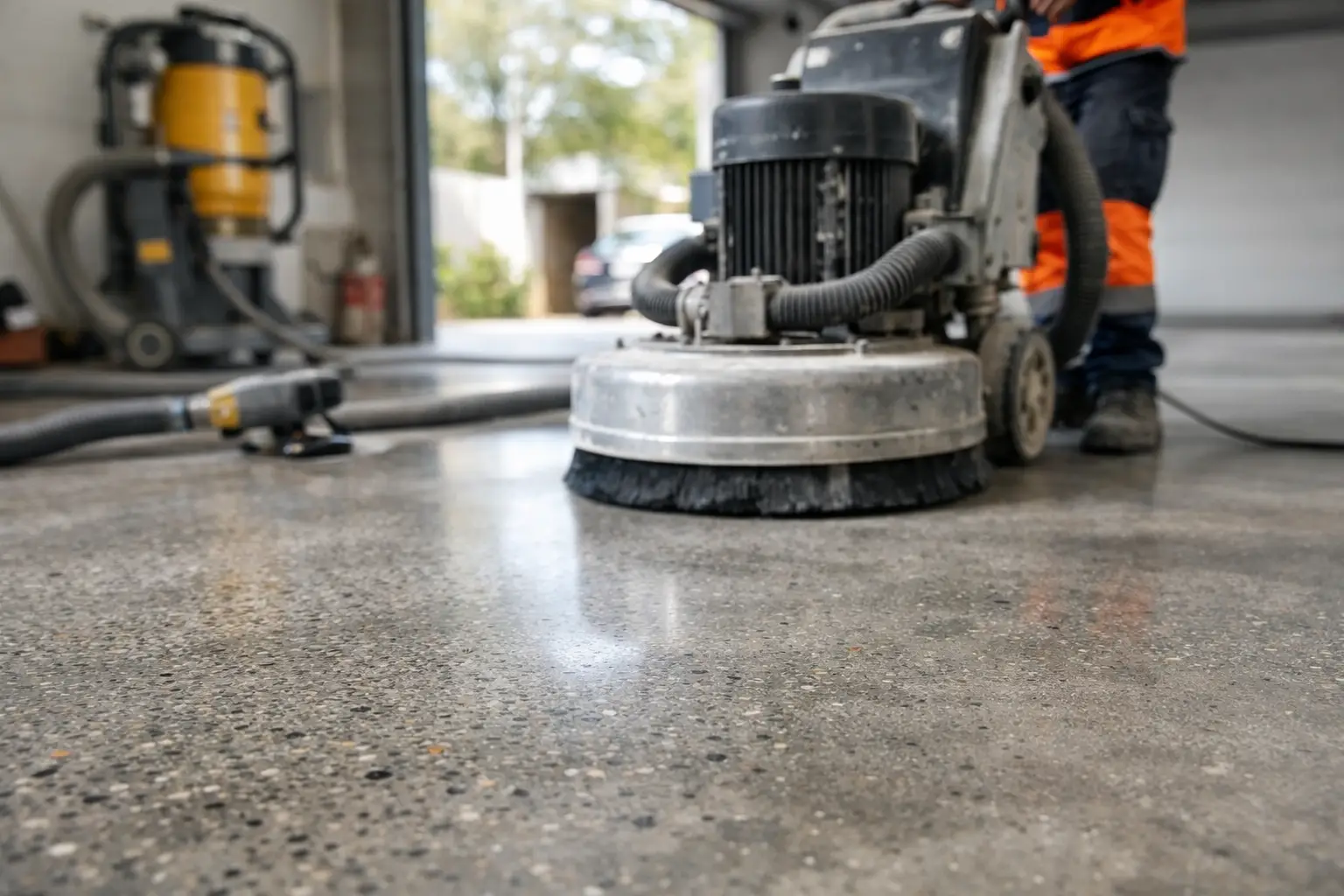
This is why technical preparation matters. Diamond grinding removes weak material and opens the surface in a controlled way. It also gives the contractor a clearer view of the slab’s actual condition before the later polishing stages begin. Rushing this work can leave behind defects that are harder to correct once the floor is refined.
Maintenance that protects the finish
A polished concrete floor is low maintenance, not no maintenance. Dirt and grit act like fine abrasive under shoes, furniture and tyres, so regular dry cleaning is worthwhile. Use entry mats in high-traffic doorways, clean spills promptly and mop with clean water and a neutral cleaner recommended for polished concrete.
Avoid harsh acidic cleaners, aggressive degreasers and products that leave a sticky residue. They can dull the surface or attract more dirt. In commercial environments, cleaning equipment should be selected to suit the floor and maintained properly so dirty pads or brushes do not drag contaminants across the finish.
Over time, heavily used areas may benefit from professional cleaning, burnishing or touch-up work to restore clarity. That is normal lifecycle care, not a sign the floor has failed. A well-specified floor should be treated as a long-term asset, with aftercare planned around the level of traffic it carries.
A floor worth choosing for the right space
Mechanically polished concrete floors reward careful decisions made early: honest slab assessment, realistic finish expectations and disciplined surface preparation. They are not the right answer for every site, but where durability, clean presentation and low ongoing maintenance matter, they are difficult to beat.
For projects across Melbourne, AMD Polished Concrete assesses the slab first, explains the available finish options clearly and delivers the work with the same focus on preparation as the final polish. A proper site review is the best place to start, because the best-looking floor is the one designed around your actual space, traffic and expectations.